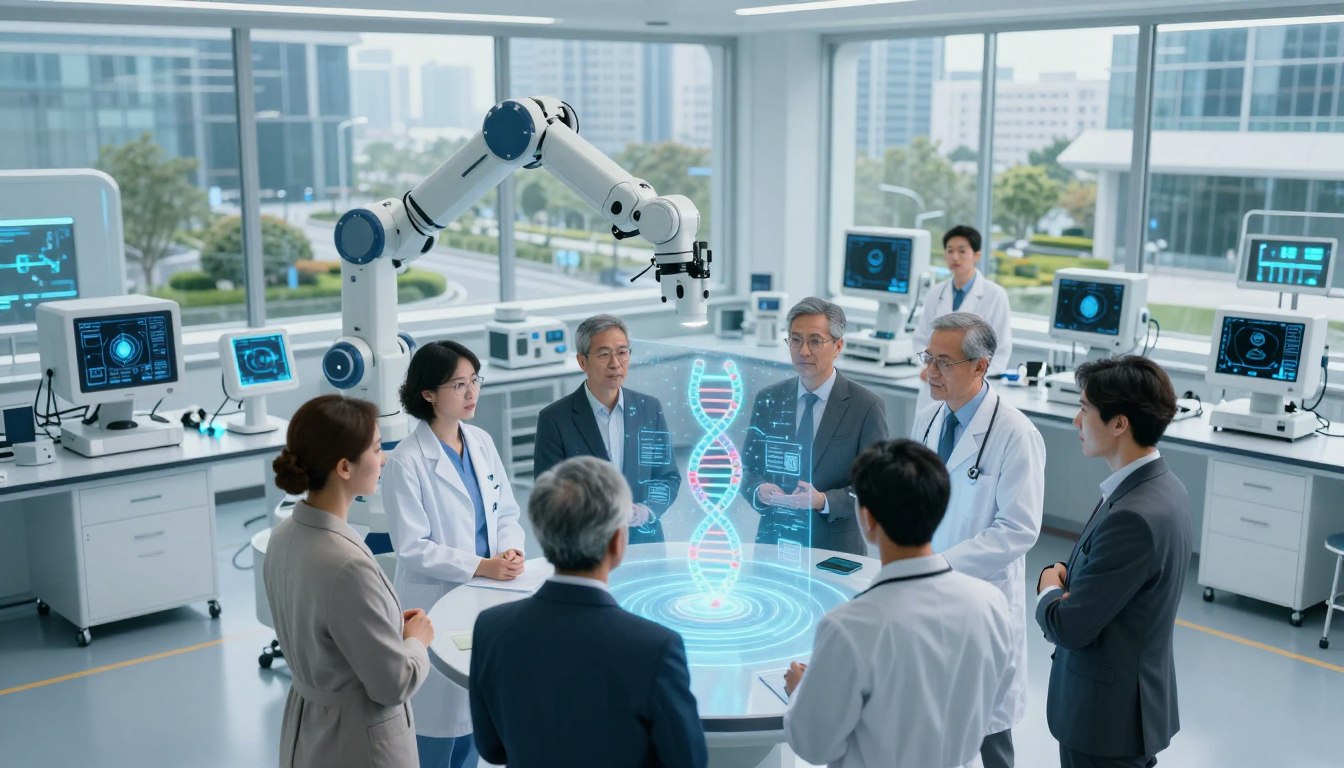
Modern medicine is undergoing a massive shift as digital systems become the heartbeat of clinical practice. By leveraging Health Informatics, providers can now process vast amounts of patient data to make faster, more accurate decisions.
This digital evolution is not just about computers; it is about improving lives. When doctors have instant access to patient history and diagnostic trends, they can create personalized treatment plans that truly work.

Health Informatics
The integration of advanced healthcare technology serves as the backbone of medical progress across the United States. These tools streamline daily operations, reduce costly errors, and ensure that every patient receives the highest standard of care possible.
Key Takeaways
- Digital systems are transforming how medical professionals manage patient data.
- Improved data access leads to more accurate and timely clinical decisions.
- Technology helps create personalized treatment plans for better patient outcomes.
- Operational efficiency increases when manual processes are replaced by smart software.
- These advancements represent the essential foundation of modern medical progress.
The Evolution and Core Principles of Health Informatics
At the heart of every successful hospital lies a complex network of data management known as healthcare informatics. This field serves as the vital bridge between raw medical information and the clinical decisions that improve patient outcomes. By organizing vast amounts of data, professionals ensure that doctors have the right information at the right time.
Defining the Intersection of Data and Medicine
The core principle of this discipline is the transformation of fragmented data into actionable knowledge. When a patient visits a clinic, their symptoms, history, and test results create a unique data profile. Healthcare informatics applies analytical frameworks to this profile, allowing providers to spot patterns that might otherwise remain hidden.
This process relies on standardized coding and secure databases to maintain accuracy. By streamlining how information flows, the system reduces the cognitive burden on medical staff. Ultimately, this allows clinicians to focus more on the human side of healing rather than administrative tasks.
The Historical Shift from Paper Records to Digital Systems
For decades, medical records were stored in physical filing cabinets, making them difficult to share or update quickly. This traditional approach often led to lost files, illegible handwriting, and significant delays in treatment. The transition to digital systems has fundamentally changed how we approach healthcare informatics in the United States.
Modern digital architectures provide a centralized hub for all patient interactions. This shift has improved the speed of communication between specialists and primary care physicians. The following table highlights the key differences between these two eras of medical documentation.
| Feature | Paper-Based Records | Digital Systems |
| Accessibility | Limited to physical location | Available remotely and instantly |
| Data Security | High risk of physical theft | Encrypted with advanced protocols |
| Searchability | Manual and time-consuming | Instant keyword-based retrieval |
| Collaboration | Slow, requires physical transfer | Real-time updates for all providers |
Understanding the Role of Electronic Health Records
Imagine a world where your medical history follows you seamlessly between every doctor you visit. This vision is now a reality thanks to the widespread adoption of electronic health records. These digital platforms serve as the backbone of modern health information technology, replacing outdated filing cabinets with secure, cloud-based databases.
Improving Patient Data Accessibility
The primary advantage of these systems is the ability to access vital information at the exact point of care. When a physician can instantly view a patient’s allergies, past surgeries, and current medications, they make faster and safer clinical decisions. This accessibility eliminates the need for patients to remember every detail of their medical history during a stressful visit.
Healthcare providers benefit from several key improvements in their daily workflows:
- Real-time updates that reflect the most recent lab results.
- Instant sharing of diagnostic images between specialists.
- Reduced duplication of tests, which saves both time and money.
Standardizing Medical Documentation Across Facilities
Beyond simple access, the industry is moving toward uniform documentation standards. Standardizing how data is recorded ensures that a chart created in a small clinic is just as readable and useful in a large hospital system. This consistency is a vital component of health information technology, as it allows different software programs to “talk” to each other effectively.
The following table highlights the shift from traditional paper methods to modern digital standards:
| Feature | Paper Records | Electronic Health Records |
| Storage | Physical filing cabinets | Secure cloud servers |
| Retrieval | Manual search | Instant digital query |
| Accuracy | Prone to handwriting errors | Structured data entry |
By adopting these standardized electronic health records, facilities can ensure that patient care remains continuous and high-quality. This transition is not just about moving to computers; it is about creating a connected ecosystem that puts the patient at the center of every decision.
The Impact of Health Informatics on Clinical Decision Support
Clinical informatics serves as a vital bridge between complex medical data and life-saving bedside decisions. By integrating advanced software into daily practice, healthcare providers can access real-time insights that were previously difficult to synthesize. This technological evolution empowers doctors to make more informed choices during every patient encounter.
Reducing Diagnostic Errors Through Algorithmic Assistance
Diagnostic accuracy remains a top priority in modern medicine. Algorithmic assistance tools analyze vast amounts of patient history, lab results, and imaging data to highlight potential concerns that a human eye might miss. These systems act as a second set of eyes, ensuring that clinicians consider all relevant variables before finalizing a diagnosis.
By minimizing the cognitive load on physicians, these tools significantly reduce the risk of human error. Early detection of conditions becomes more achievable when software identifies subtle patterns in patient data. This proactive approach leads to faster interventions and better long-term health outcomes for patients across the United States.
Enhancing Medication Safety and Interaction Alerts
Prescribing the right medication requires careful consideration of a patient’s existing health profile. Automated alerts within the electronic record system provide an essential safety net for clinicians. These systems instantly flag potential drug-to-drug interactions or allergic reactions before a prescription is finalized.
This level of clinical informatics integration prevents thousands of preventable adverse drug events every year. When a system detects a conflict, it provides immediate feedback and suggests safer alternatives. This seamless communication between the database and the provider ensures that patient safety remains at the forefront of every treatment plan.
Telehealth and the Expansion of Remote Patient Monitoring
The landscape of patient care is shifting toward a more flexible, digital-first approach. By leveraging telehealth, providers can now deliver high-quality medical services regardless of physical location. This transformation ensures that patients receive timely support without the need for constant travel.
Bridging the Gap in Rural Healthcare Access
For many Americans living in remote areas, accessing specialized care has historically been a significant challenge. Digital health platforms effectively bridge this gap by connecting patients with experts located hundreds of miles away. This connectivity reduces the burden on rural clinics and ensures that patients receive consistent, expert guidance.
Virtual consultations allow for faster diagnosis and treatment planning. By removing geographical barriers, these systems foster a more equitable healthcare environment for everyone.
Integrating Wearable Technology into Daily Clinical Practice
Modern medicine now extends far beyond the walls of a doctor’s office through the use of wearable devices. These tools allow clinicians to track vital signs like heart rate, glucose levels, and blood pressure in real-time. This continuous stream of data is essential for managing chronic conditions with greater precision.
When integrated into daily workflows, this information helps providers make proactive adjustments to treatment plans. Patients feel more empowered when they can actively participate in their own health monitoring.
| Feature | Traditional Care | Remote Monitoring |
| Data Collection | Periodic office visits | Continuous real-time tracking |
| Patient Access | Limited by travel/time | Available from home |
| Clinical Insight | Snapshot of health | Comprehensive trend analysis |
Data Analytics and Predictive Modeling in Modern Medicine
By leveraging advanced medical data analysis, healthcare providers can now anticipate health challenges before they become crises. This shift from reactive to proactive care allows systems to manage patient populations with unprecedented precision. Data-driven insights are quickly becoming the backbone of modern health management across the United States.
Identifying Population Health Trends
Health organizations use large datasets to uncover patterns that were previously invisible. By examining demographic information and lifestyle factors, analysts can pinpoint specific community needs. This targeted approach ensures that resources reach the people who need them most.
Effective medical data analysis helps providers understand the social determinants of health in their local areas. When clinics identify these trends early, they can implement preventative programs that improve long-term outcomes. This proactive strategy significantly reduces the burden on emergency services.
Forecasting Disease Outbreaks and Resource Allocation
Predictive modeling plays a vital role in public health by forecasting potential disease outbreaks. By monitoring real-time data from hospitals and pharmacies, officials can track the spread of illnesses with high accuracy. This early warning system allows for rapid intervention and containment.
Beyond tracking illnesses, these models are essential for optimizing the allocation of medical resources. Hospitals use these tools to predict patient surges, ensuring that staff and supplies are available when demand peaks. Through consistent medical data analysis, the healthcare industry creates a more resilient and efficient system for everyone.
The Critical Importance of Cybersecurity in Health Informatics
The rapid expansion of Health Informatics brings significant risks that require proactive defense strategies. As medical facilities transition to fully digital environments, the volume of sensitive data stored online grows exponentially. This shift creates a lucrative target for cybercriminals seeking to exploit vulnerabilities in hospital networks.

Health Informatics
Protecting Sensitive Patient Information
Safeguarding personal health records is a top priority for every modern medical institution. Encryption serves as a primary line of defense, ensuring that even if data is intercepted, it remains unreadable to unauthorized parties. Implementing multi-factor authentication further strengthens these systems by adding an extra layer of identity verification for staff members.
Beyond technical tools, hospitals must foster a culture of vigilance among their employees. Regular training sessions help staff recognize phishing attempts and other common social engineering tactics. By prioritizing data integrity, organizations can prevent costly breaches that compromise patient trust and safety.
Navigating HIPAA Compliance in a Digital World
Adhering to the Health Insurance Portability and Accountability Act (HIPAA) is a legal necessity for any entity involved in Health Informatics. These federal standards mandate strict administrative, physical, and technical safeguards to protect electronic protected health information. Navigating these complex regulations requires constant monitoring and periodic risk assessments to identify potential gaps in security protocols.
Compliance is not a one-time task but an ongoing commitment to patient privacy. Organizations must document their security policies clearly and ensure that all software vendors meet the same rigorous standards. Failure to maintain these benchmarks can lead to severe financial penalties and long-term damage to a provider’s reputation.
| Security Measure | Primary Benefit | Implementation Level |
| End-to-End Encryption | Data Privacy | High |
| Multi-Factor Authentication | Access Control | High |
| Regular Security Audits | Compliance Tracking | Medium |
| Staff Awareness Training | Error Reduction | Medium |
Interoperability and the Future of Connected Care
The future of patient care depends on how well our medical systems talk to each other. As healthcare informatics continues to evolve, the ability to share information across different platforms becomes essential for high-quality outcomes. Without this connectivity, patients often face fragmented care that can lead to dangerous gaps in their medical history.
Breaking Down Data Silos Between Healthcare Providers
Data silos occur when information is trapped within a single hospital or clinic’s proprietary software. These barriers prevent doctors from seeing a complete picture of a patient’s health journey. When a patient visits a specialist, the lack of shared data often forces them to repeat tests or provide redundant information.
This inefficiency creates significant frustration for both providers and patients. By breaking down these silos, we ensure that critical health data follows the patient wherever they go. This transition is a core pillar of modern healthcare informatics, aiming to create a unified medical ecosystem.
The Role of FHIR Standards in Seamless Information Exchange
The Fast Healthcare Interoperability Resources (FHIR) standard is changing how we handle medical data. It acts as a universal language that allows different software systems to communicate securely and efficiently. By using these standardized formats, hospitals can exchange records without losing vital context or accuracy.
Implementing these standards is a major step forward for patient safety. It allows for real-time updates and better coordination between primary care physicians and specialists. As we embrace these tools, the promise of truly connected care becomes a reality for millions of patients.
| Feature | Traditional Systems | Interoperable Systems |
| Data Access | Restricted to one site | Available across networks |
| Communication | Manual and slow | Automated and instant |
| Patient Safety | Higher risk of errors | Reduced diagnostic risks |
| Efficiency | Low | High |
Advancements in Medical Data Analysis and Artificial Intelligence
Artificial intelligence is no longer a futuristic concept but a present-day engine driving medical data analysis. By processing vast datasets at unprecedented speeds, these tools are reshaping the landscape of digital health. Clinicians now have access to sophisticated software that identifies patterns invisible to the human eye.
Machine Learning Applications in Radiology and Pathology
In the fields of radiology and pathology, machine learning algorithms act as a powerful second set of eyes. These systems analyze complex imaging and tissue samples to flag potential abnormalities with high precision. By automating routine screenings, doctors can focus their energy on complex diagnostic challenges.
This technology significantly reduces the time required to interpret scans. When integrated into clinical workflows, it helps ensure that critical findings are prioritized for immediate review. The result is a more efficient diagnostic process that benefits both the provider and the patient.
Personalizing Treatment Plans Through Genomic Data
The rise of digital health has also paved the way for highly personalized medicine. By analyzing a patient’s unique genomic profile, researchers can predict how specific individuals will respond to various therapies. This shift moves healthcare away from a “one-size-fits-all” approach toward tailored treatment strategies.
Genomic data allows for the identification of specific mutations that drive disease progression. When combined with advanced analytics, this information helps oncologists and specialists select the most effective medications while minimizing side effects. This level of customization is a cornerstone of modern, patient-centered care.
| Diagnostic Method | Data Processing Speed | Accuracy Potential | Primary Benefit |
| Traditional Review | Manual/Slow | Human-dependent | Clinical intuition |
| AI-Assisted Analysis | Real-time/Fast | High consistency | Early detection |
| Genomic Modeling | High-throughput | Precision-focused | Personalized care |
The Human Element in Healthcare Informatics
As we embrace new digital systems, we must ensure that technology serves to enhance our human interactions. While clinical informatics provides the backbone for modern medical data, it should never overshadow the compassionate care that defines the healing profession. The goal is to create a seamless environment where tools support, rather than distract from, the patient experience.

clinical informatics
Training Healthcare Professionals for a Digital-First Environment
Transitioning to a digital-first workplace requires more than just installing new software. It demands a comprehensive approach to education that empowers staff to use these tools with confidence. When clinicians feel comfortable with their systems, they can focus more on the patient and less on the interface.
Effective training programs should focus on several key areas to ensure long-term success:
- Hands-on workshops that simulate real-world clinical scenarios.
- Ongoing support systems to address technical questions in real-time.
- Curriculum updates that reflect the latest advancements in clinical informatics.
- Peer-to-peer mentoring to share best practices and workflow shortcuts.
Balancing Technology with the Patient-Provider Relationship
Maintaining a strong connection with patients while navigating complex digital screens is a vital skill. Many providers worry that data entry might create a barrier during consultations. However, by adopting specific strategies, practitioners can keep the focus on the person in front of them.
Using telehealth platforms offers a unique opportunity to reach patients in their own homes, yet it requires a mindful approach to communication. Providers should prioritize eye contact with the camera to simulate a face-to-face connection. It is also helpful to explain the digital process to the patient, which builds trust and transparency.
Ultimately, the most successful telehealth implementations are those that feel natural and human. By keeping the patient at the center of every digital interaction, we ensure that technology remains a bridge to better health outcomes rather than a wall between people.
Overcoming Barriers to Widespread Technology Adoption
Achieving a fully connected healthcare system requires overcoming significant financial and operational obstacles. While the promise of healthcare technology is immense, several hurdles remain that prevent universal adoption across the United States. Providers must navigate these complexities to ensure that patients receive the best possible care in a digital-first world.
Addressing High Implementation Costs for Small Practices
Many independent clinics face a daunting financial barrier when attempting to upgrade their systems. The initial investment for robust health information technology often exceeds the available capital for smaller, private practices. These facilities frequently lack the dedicated IT staff required to manage complex software installations and ongoing maintenance.
To bridge this gap, many practices are turning to cloud-based solutions that offer lower upfront costs. Subscription-based models allow clinics to pay for services as they grow, rather than committing to massive hardware purchases. Furthermore, government incentives and grants are increasingly available to help smaller entities modernize their infrastructure without compromising their financial stability.
Managing Physician Burnout Related to Digital Documentation
The administrative burden of modern systems has become a primary driver of physician burnout. Clinicians often spend more time interacting with screens than engaging directly with their patients. This shift in focus can diminish the quality of the patient-provider relationship and lead to significant job dissatisfaction.
Improving the user experience is essential to mitigating these frustrations. Developers are now prioritizing intuitive interfaces that reduce the number of clicks required to complete a medical record. By streamlining workflows, health information technology can actually support clinicians rather than acting as an additional hurdle in their daily practice.
| Barrier Type | Primary Challenge | Proposed Solution |
| Financial | High upfront capital costs | Cloud-based subscription models |
| Operational | Complex administrative workflows | User-centered interface design |
| Human | Physician burnout and fatigue | Automated documentation tools |
The Future Landscape of Health Informatics
As we peer into the future, several groundbreaking technologies are poised to reshape the core of modern medicine. The rapid evolution of healthcare technology continues to push boundaries, offering smarter ways to manage complex clinical environments. These innovations promise to enhance both the security of sensitive data and the precision of medical procedures.
Emerging Trends in Blockchain for Medical Records
Blockchain technology is gaining significant traction as a solution for the inherent vulnerabilities found in traditional data storage. By creating an immutable ledger, this system ensures that patient history remains tamper-proof and highly secure. This shift could fundamentally change how we handle electronic health records across the entire medical ecosystem.
Patients will likely gain greater control over their own information through decentralized access points. This transparency fosters increased trust between providers and those they serve. As these systems mature, they will likely become the gold standard for maintaining the integrity of private medical data.
The Potential of Virtual Reality in Surgical Training
Virtual reality is moving beyond entertainment to become a vital tool in medical education and skill development. Surgeons can now practice complex operations in a risk-free digital environment before ever touching a patient. This immersive approach to healthcare technology significantly boosts confidence and technical proficiency.
By simulating rare or high-stakes scenarios, medical professionals can refine their techniques with unprecedented accuracy. This leads to improved procedural outcomes and a reduction in potential complications during actual surgeries. As simulation software becomes more sophisticated, it will serve as a cornerstone for training the next generation of medical experts.
Ultimately, the integration of these advanced tools will ensure that electronic health records and surgical practices remain at the cutting edge of innovation. The future of medicine is not just about better data, but about creating a safer and more efficient experience for everyone involved.
Conclusion
Health informatics serves as the backbone of modern medicine. It transforms raw data into actionable insights that save lives every single day.
Digital systems now bridge the gap between complex medical records and bedside care. Providers gain a clearer picture of patient needs through these integrated platforms. This shift creates a more responsive environment for everyone involved in the healing process.
Obstacles like cybersecurity threats and high costs remain part of the landscape. Organizations must prioritize secure infrastructure to protect sensitive information. Smart investments in technology pay off by reducing errors and streamlining daily workflows.
The true power of this field lies in the partnership between machines and people. Algorithms provide the speed, but clinicians provide the empathy and judgment. This balance ensures that technology supports the human touch rather than replacing it.
We stand at the edge of a new era in global health. Continued innovation will refine how we track trends and personalize treatment plans. Your engagement with these digital tools helps build a safer and more efficient system for all patients.
FAQ
What is health informatics and why is it so important right now?
Health informatics is the transformative field where medicine meets advanced data science. It serves as the backbone of modern medical advancement in the United States by integrating digital tools to improve patient outcomes and operational efficiency. By leveraging health information technology, providers can turn massive amounts of raw data into actionable insights that save lives.
How has the shift from paper records to digital systems changed patient care?
The evolution of healthcare informatics has replaced cumbersome, error-prone paper filing with sophisticated digital architectures. This transition allows for faster information retrieval and better decision-making. By moving away from physical folders, hospitals can now use medical data analysis to gain a holistic view of a patient’s history in seconds rather than hours.
What are the primary benefits of using electronic health records?
Electronic health records (EHRs) significantly improve data accessibility, ensuring that clinicians have vital information at the point of care. Beyond accessibility, EHRs help in standardizing medical documentation across different facilities. This means whether you are at a Mayo Clinic location or a local community hospital, your records remain consistent and legible for all providers.
Can clinical informatics really help reduce medical errors?
Absolutely! Clinical informatics tools provide real-time support through algorithmic assistance, which helps clinicians reduce diagnostic errors. One of the most critical features is the implementation of automated alerts that flag dangerous medication interactions or allergies, ensuring a much higher level of patient safety during the treatment process.
How is telehealth expanding access to healthcare in rural areas?
Telehealth is bridging the gap for underserved populations by allowing patients to consult with specialists without traveling long distances. Furthermore, by integrating wearable technology—like the Apple Watch or Dexcom glucose monitors—into daily clinical practice, doctors can perform remote patient monitoring to track chronic conditions in real-time from anywhere.
How does medical data analysis help predict future health crises?
Through predictive modeling and medical data analysis, analysts can identify emerging population health trends before they become emergencies. These data-driven models allow public health officials to forecast disease outbreaks and optimize the allocation of resources, ensuring that hospitals are prepared for surges in patient volume.
How is my sensitive medical information protected in a digital environment?
Cybersecurity is a top priority in digital health. Systems are designed with robust encryption and access controls to protect sensitive information from unauthorized breaches. Navigating HIPAA compliance is a fundamental part of this process, ensuring that every digital interaction meets strict federal legal standards for privacy and security.
What is interoperability, and why does it matter for my care?
Interoperability is the ability of different healthcare technology systems to talk to one another. By breaking down data silos between different providers, we ensure “connected care.” The adoption of FHIR standards (Fast Healthcare Interoperability Resources) is a major step forward, facilitating a seamless and secure exchange of information between different hospital networks.
How are AI and machine learning being used in modern diagnostics?
Artificial intelligence is revolutionizing fields like radiology and pathology. Machine learning algorithms assist specialists by analyzing complex imaging to spot anomalies that might be missed by the human eye. Additionally, medical data analysis of genomic profiles allows doctors to create highly personalized treatment plans tailored to a patient’s specific genetic makeup.
Will the rise of healthcare technology replace the personal touch of a doctor?
The goal of health informatics is to enhance, not replace, the human element of medicine. By automating administrative tasks, technology allows providers to spend more quality time with patients. Comprehensive training programs ensure that healthcare professionals can navigate a digital-first environment while maintaining a strong, empathetic patient-provider relationship.
What are the biggest challenges to adopting these new technologies?
High implementation costs can be a significant barrier, especially for small, independent practices. There is also the challenge of physician burnout caused by the heavy administrative demands of digital documentation. However, many organizations are looking toward streamlined user interfaces and AI-driven scribes to alleviate these burdens and make digital health tools more user-friendly.
What does the future hold for the field of health informatics?
The future is incredibly exciting, with emerging trends like blockchain being explored to create immutable and secure medical records. We are also seeing the potential of virtual reality (VR) in surgical training, allowing surgeons to practice complex procedures in a risk-free digital environment before ever stepping into an operating room.